Stay ahead with the latest from Old Well Labs
Get product updates and insights delivered straight to your inbox.


We shipped several powerful new features in July, including AI-powered manager tags, service provider data, and additional allocator profiles. As always, we added lots of additional data to OWL, including 341 new managers and more than 180,000 new people profiles.
We launched detailed manager tags in July, powered by large language models and OWL’s unique data. Users can now filter managers by 81 tags spanning asset class, geography, sector, market cap, and sub-strategy - making manager search on OWL more precise and more powerful than ever. Some examples of what you can now search for:
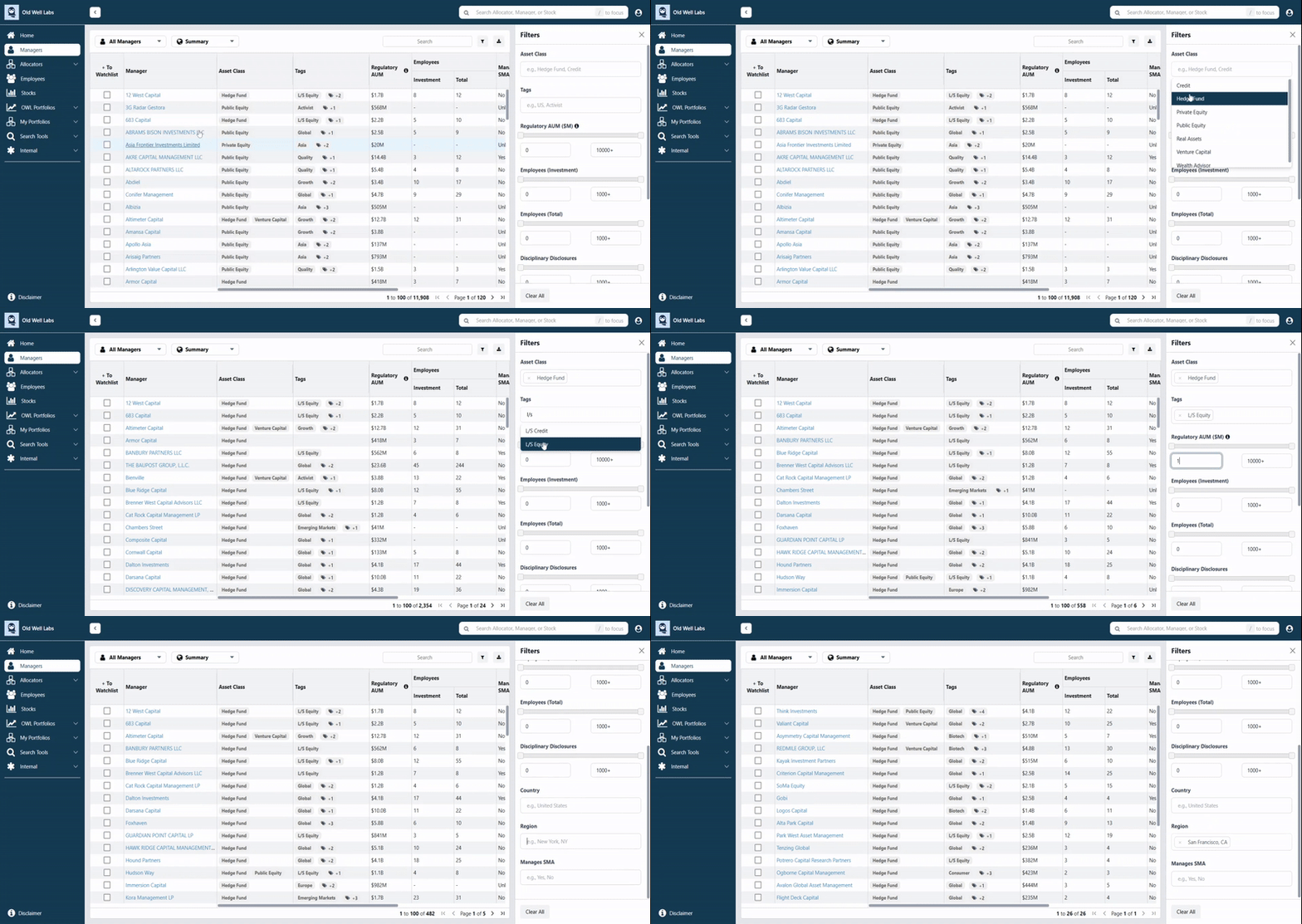
Tags appear on every manager profile and are fully integrated into OWL’s map search for location-specific targeting.
This launch is one of several AI-powered projects in the works at OWL. We combined the capabilities of large language models with OWL’s proprietary data to generate and apply over 35,000 tags in an automated, scalable way.
As always, what’s on OWL today is just the starting point. These tags will improve over time as our data, models, and feedback loops improve.
We also launched service provider data for every manager in OWL. This includes both current and historical relationships with administrators, custodians, auditors, prime brokers, and third-party marketers, representing more than 173,000 service provider records.
Users can find this new information by clicking “Service Providers” on the main manager card or via the dedicated view in the left-hand menu.
This unlocks two key capabilities for allocators:
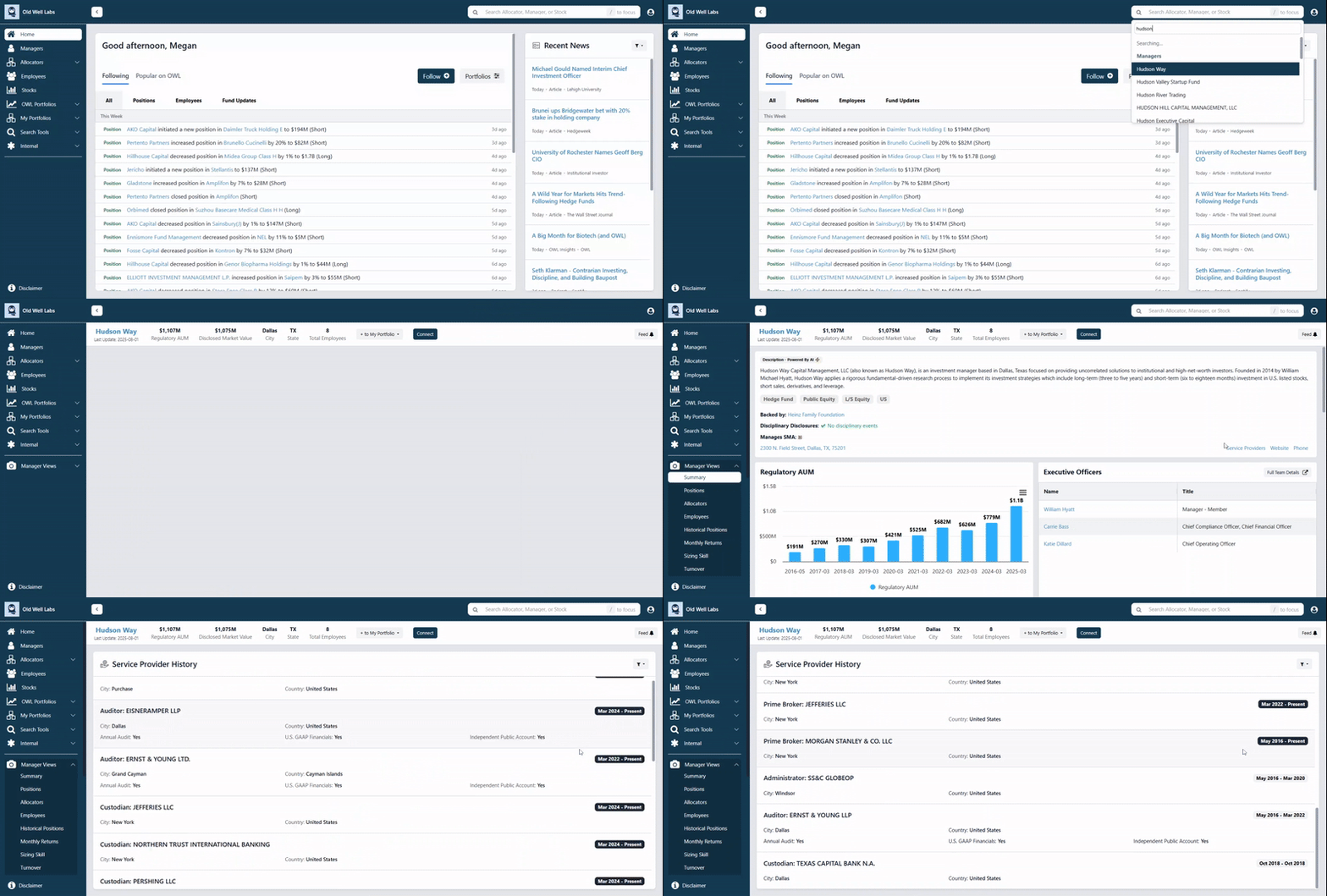
Users can also filter our manager universe by service provider, offering a new way for industry professionals to see a firm’s client base and monitor shifts in the competitive landscape.
One of OWL’s most unique and popular data sets is our allocator holdings data. We currently have ~2,000 profiles of leading allocators in OWL, including any manager investments these allocators disclose. There are hundreds of different sources where this data is available, and it is often hard to find, unstructured, and messy. We’ve spent years building the highest quality dataset for large endowments and foundations, allowing our users to track their peers, as well as source and monitor managers.
In July, we completed a major behind-the-scenes data automation project that will allow us to scale this dataset massively, with thousands of additional allocator profiles coming in the next few months. In addition to more data, OWL will include search and monitoring capabilities for allocators, including custom portfolio monitoring, advanced search, email alerts, map search, and more.
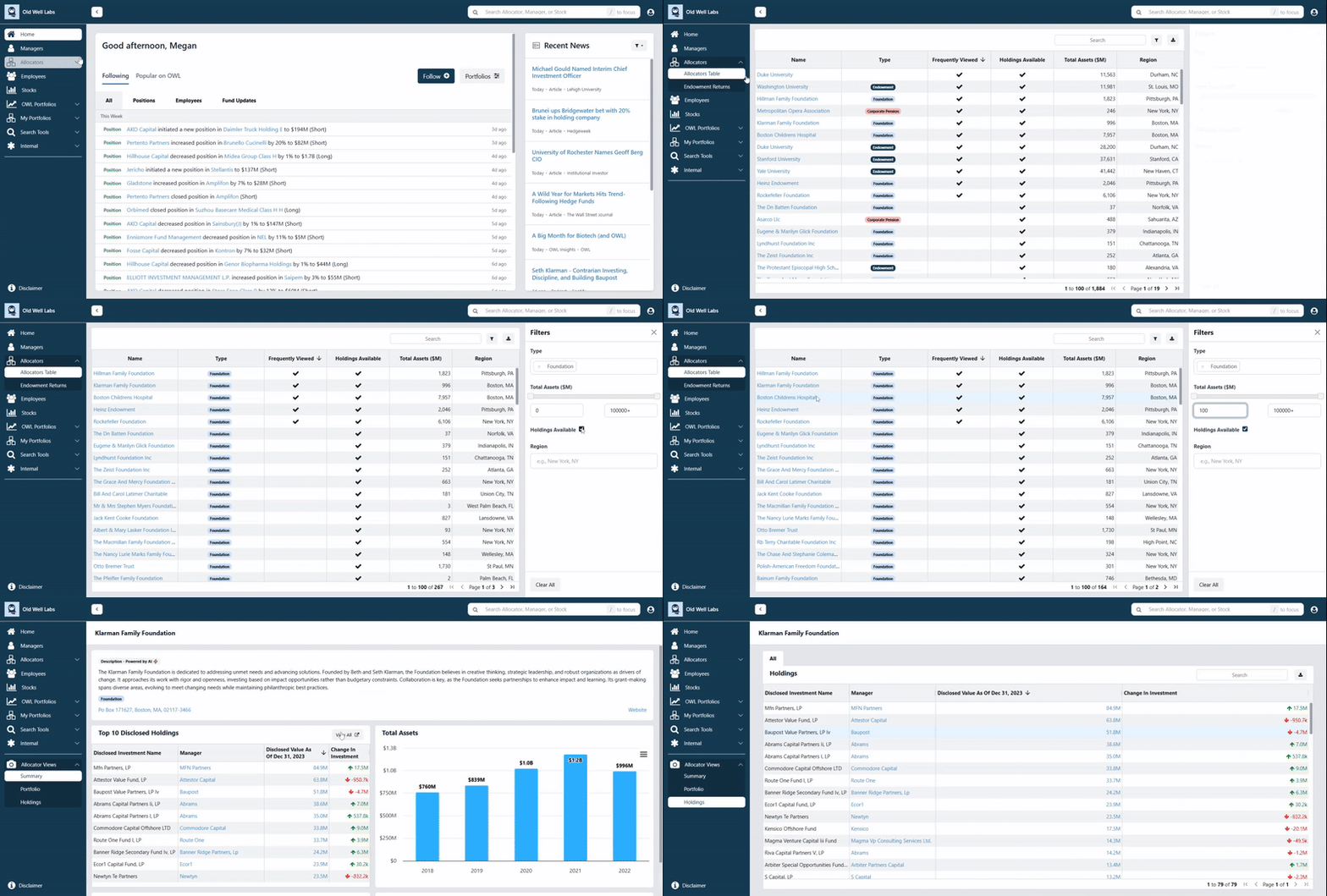
Recent major additions to our data include:
New managers came from recent ADV filings as well as entities identified through employee moves and allocator holdings.
.jpeg)